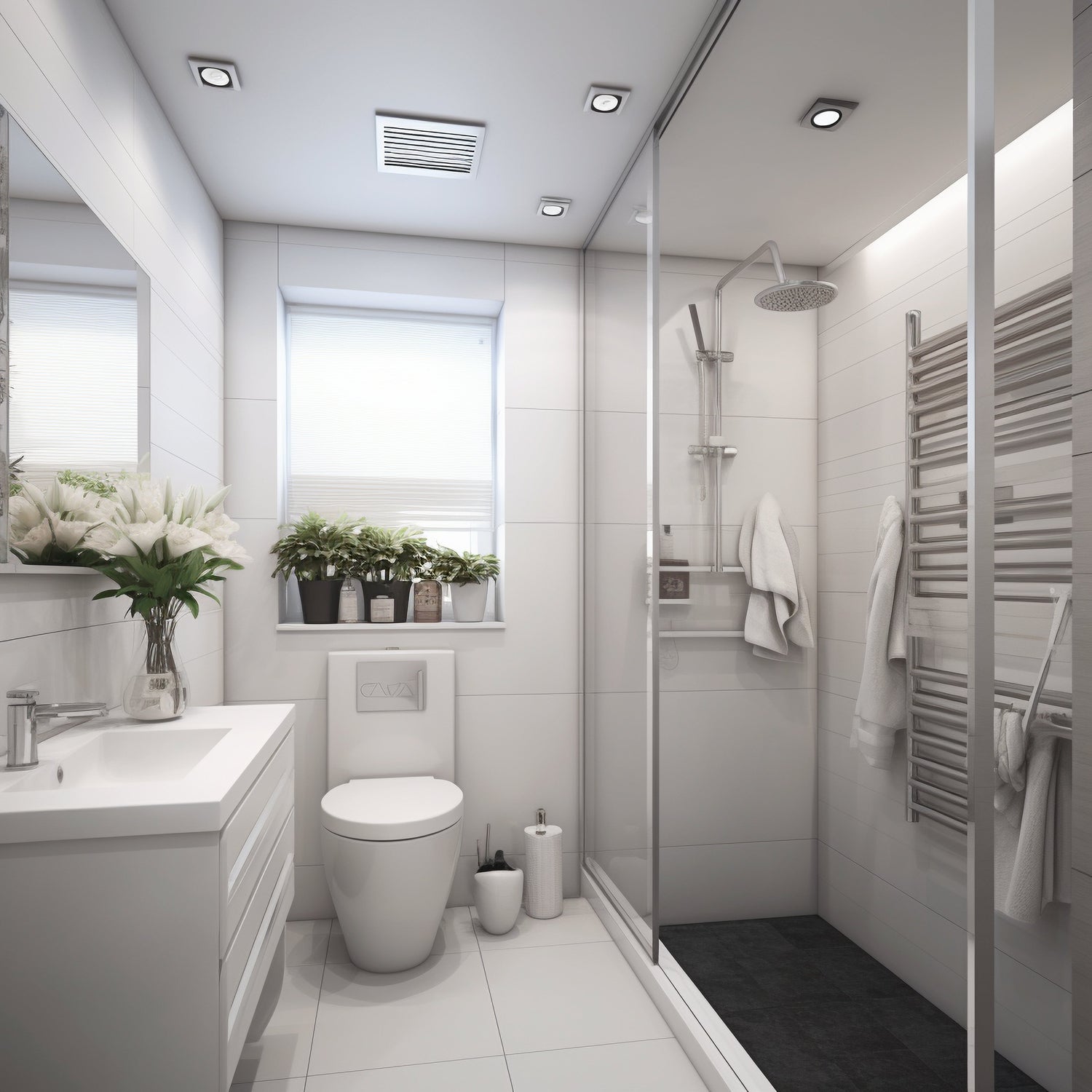

Vertical designer radiators have firmly established themselves as a modern heating solution across UK homes. Once viewed mainly as a stylish alternative to traditional radiators, they are now considered a practical, efficient, and space-saving option for contemporary interiors. From compact city flats to renovated period properties, vertical radiators are increasingly chosen for their combination of design flexibility and heating performance.

However, despite their popularity, many homeowners still question whether vertical radiators are genuinely effective, how efficient they are compared to horizontal radiators, and whether they are suitable for every room. This comprehensive guide explores every aspect of vertical radiators, helping you understand their advantages, limitations, materials, efficiency debates, customer feedback, and practical buying considerations.
What Exactly Is a Vertical Radiator?
A vertical radiator is a central heating radiator designed with a tall and narrow profile, mounted upright on the wall rather than horizontally beneath a window. While the internal working principle remains the same as standard radiators—hot water flowing through the panels to emit heat—the orientation fundamentally changes how the radiator occupies space and integrates into a room layout.
Vertical radiators are available in:
-
Flat panel designs
-
Vertical column radiators
-
Single and double-panel configurations
-
Electric and dual fuel options
They are compatible with standard UK central heating systems and can be fitted in living rooms, bedrooms, kitchens, bathrooms, hallways, and even commercial spaces.
With rising trends in open-plan living, floor-to-ceiling windows, and minimalist interiors, vertical radiators offer a solution where traditional radiators may no longer fit or look appropriate.
Why Vertical Radiators Are Growing in Popularity in the UK
UK homes have changed significantly in recent years. Larger glazing areas, slim walls, and modern layouts have reduced space beneath windows. Vertical radiators solve this problem by allowing homeowners to reclaim valuable wall sections without compromising heating performance.
Their popularity is also fuelled by:
-
Increased focus on interior aesthetics
-
Demand for space-saving solutions
-
Better manufacturing technology improving heat output
-
Growing availability of designer finishes and colours
The Pros: Why Choose a Vertical Radiator?
1. Exceptional Space Saving Benefits
One of the biggest advantages of designer radiators is their ability to free up horizontal wall space. This makes them ideal for rooms where furniture placement is critical, such as kitchens with fitted units, hallways, and smaller living areas.
In compact homes, every centimetre matters. Vertical radiators allow homeowners to place sofas, beds, dining tables, and storage units without working around a long horizontal radiator.
2. Visual Impact and Modern Design Appeal
Vertical radiators have become a statement feature rather than something to hide. Their tall, elegant structure adds height and visual interest to walls, making them particularly appealing in modern interiors.
Available in finishes such as:
-
Anthracite
-
Matt black
-
White
-
Textured metallic finishes
They complement both minimalist and industrial interiors while also offering column styles for more traditional homes.
3. Flexible Placement Options
Unlike traditional radiators that are often restricted to window walls, vertical radiators can be installed on internal walls, narrow wall segments, or unused alcoves.
This flexibility allows better room planning and improved heat distribution, particularly in open-plan spaces.
4. Strong Heat Output in a Slim Footprint
Despite their narrow width, many vertical radiators deliver impressive BTU outputs thanks to their height and efficient internal design. Double-panel models and vertical column radiators can comfortably heat medium to large rooms.
This makes them suitable not just for bedrooms and kitchens but also for larger living areas when chosen correctly.
5. Excellent Option for Renovations and New Builds
Vertical radiators align perfectly with modern architectural styles found in UK renovations and new-build developments. They enhance clean lines, reduce clutter, and maintain a contemporary aesthetic.
6. Variety of Fuel Options
Vertical radiators are available as:
-
Central heating radiators
-
Electric radiators
-
Dual fuel radiators
This provides year-round flexibility, particularly in bathrooms where independent heating is often desirable.
The Cons: Critical Considerations Before You Buy
While vertical radiators offer many advantages, they are not suitable for every situation. Understanding the limitations ensures realistic expectations and better long-term satisfaction.
1. Height Requirements and Wall Space Limitations
Although they save width, vertical radiators require sufficient wall height. In rooms with low ceilings, sloping roofs, or heavy wall furniture, vertical placement may be challenging.
2. Sizing Mistakes Can Reduce Heating Performance
A common issue is choosing a vertical radiator for its appearance rather than its heat output. Because vertical radiators often have a smaller surface area than wide horizontal radiators, under sizing can lead to inadequate warmth.
This issue is not due to inefficiency but poor specification.
3. Pipework Adjustments During Replacement
Replacing a traditional radiator with a vertical one may require adjustments to pipework. While not overly complex, this can add to installation time and cost.
4. Heat Distribution Differences
Heat naturally rises, and vertical radiators concentrate warmth upward. If placed incorrectly or blocked by furniture, the room may heat unevenly. Proper spacing and positioning are crucial.

The Great Debate: Are Vertical Radiators Less Efficient?
This is one of the most frequently asked questions—and the most misunderstood.
Vertical radiators are not inherently less efficient than horizontal radiators. Efficiency depends on:
-
Correct BTU sizing
-
Radiator material
-
Panel configuration
-
Installation position
A well-specified vertical radiator can match or outperform a poorly sized horizontal one. Advances in radiator engineering mean vertical radiators now offer excellent thermal efficiency when chosen properly.
Material Matters: Steel vs Aluminium vs Stainless Steel
Material choice affects heat-up speed, heat retention, durability, and energy efficiency. Understanding the differences helps buyers select the right radiator for their needs.
|
Material |
Advantages |
Efficiency |
Best Use |
Considerations |
|
Steel |
Affordable, wide design options, good heat output |
Moderate |
Living rooms, bedrooms |
Slower heat response |
|
Aluminium |
Fast heat-up, lightweight, energy efficient |
High |
Modern & energy-conscious homes |
Higher initial cost |
|
Stainless Steel |
Corrosion-resistant, long lifespan |
Moderate–High |
Bathrooms, humid areas |
Premium pricing |
Aluminium vertical radiators are often considered the most efficient due to their rapid heat response, while steel remains the most popular material for cost-effective performance.
How to Choose, Size, and Place Your Vertical Radiator
Step 1: Calculate Your Room’s Heat Requirement
Use a BTU calculator that considers:
-
Room dimensions
-
Insulation quality
-
Window size and type
-
Ceiling height
Never assume taller automatically means hotter.
Step 2: Choose the Right Height and Panel Type
Taller radiators provide more output without additional width. Double or triple-panel designs significantly increase performance.
Step 3: Select the Ideal Installation Position
-
Internal walls often offer better heat distribution
-
Avoid placing behind heavy furniture
-
Allow sufficient clearance for airflow
Step 4: Match Radiator Style With Room Function
-
Flat panels suit modern interiors
-
Column radiators balance traditional and contemporary aesthetics
-
Aluminium options suit energy-efficient homes
Are Vertical Radiators Any Good?
Yes—when chosen correctly. Vertical radiators are an excellent heating solution for UK homes seeking:
-
Space efficiency
-
Contemporary design
-
Reliable warmth
Negative experiences are almost always linked to incorrect sizing rather than radiator performance.
What Do Our Customers Say About Vertical Radiators?
Customer feedback consistently highlights:
-
Improved interior layout flexibility
-
Stylish appearance that enhances room design
-
Comparable heat output to traditional radiators
Customers who conduct proper BTU calculations report high satisfaction levels, particularly in kitchens, living rooms, and hallways.
Final Verdict: Is a Vertical Radiator Right for You?
Vertical radiators are ideal if you:
-
Need to maximise space
-
Want modern visual appeal
-
Are you renovating or redesigning
-
Prefer flexible radiator placement
They are less suitable where wall height is limited or where ultra-high heat output is required in very large rooms without adequate panel depth.
Summary
Vertical radiators offer a modern, space-saving heating solution for UK homes, combining stylish design with reliable performance. They are not less efficient than horizontal radiators when correctly sized and installed. With multiple materials, styles, and heat outputs available, vertical radiators suit contemporary interiors, compact rooms, and renovated spaces.
While they require careful planning around wall height and placement, their advantages in flexibility and aesthetics make them an excellent choice for homeowners seeking efficient and visually appealing heating solutions.
FAQs
1. Are vertical radiators any good?
Yes. When sized correctly, they perform just as well as traditional radiators while offering better design flexibility.
2. Can vertical radiators boost property value?
Modern heating upgrades can enhance visual appeal and increase perceived property value.
3. Are vertical radiators more versatile than horizontal radiators?
Yes. Their narrow width allows installation in spaces where horizontal radiators won’t fit.
4. What are the main advantages of vertical radiators?
Space saving, modern aesthetics, flexible placement, and good heat output.
5. Do vertical central heating radiators give off more heat?
Not necessarily. Output depends on size and design, not orientation.
6. Are vertical radiators more efficient?
They can be equally efficient, especially aluminium models with faster heat response.
7. Do vertical radiators give out enough heat?
Yes, provided the BTU output matches the room’s requirements.
8. Can I put a vertical radiator behind a door?
Yes, as long as the door opens outward and airflow remains unobstructed.
9. Are vertical radiators suitable for bathrooms?
Yes. Stainless steel or aluminium options are ideal for humid environments.
10. Do vertical radiators work with existing central heating systems?
Yes. Most models are fully compatible with standard UK systems.